Lansing-East Lansing offers integrative medicine centers combining conventional cancer care with holistic practices like diet, mind-body therapies, and counseling. These natural interventions empower patients to manage physical and emotional aspects of cancer. Research shows complementary therapies enhance traditional treatment outcomes. Find Integrative Medicine in Lansing-East Lansing naturally by exploring multidisciplinary services tailored to individual needs.
In the face of cancer, patients are increasingly seeking complementary care options beyond conventional treatments. This shift reflects a growing understanding of the mind-body connection and the desire for holistic approaches to well-being. The problem lies in navigating the diverse landscape of integrative medicine, especially in communities like Lansing-East Lansing where access to specialized knowledge can be varied. This article aims to serve as a comprehensive guide, exploring various complementary cancer care options available locally, empowering patients to Find Integrative Medicine In Lansing-East Lansing naturally and make informed decisions alongside their healthcare teams.
- Understanding Integrative Medicine for Cancer Care
- Exploring Natural Therapies in Lansing-East Lansing
- Conventional vs. Complementary Cancer Treatments
- Patient Stories: Successes with Integrative Approaches
- Navigating Resources and Supportive Care Options
Understanding Integrative Medicine for Cancer Care

Integrative Medicine offers a holistic approach to cancer care, recognizing the interconnectedness of mind, body, and spirit in the healing process. This alternative treatment method gained prominence as a complementary option alongside conventional oncology, focusing on natural interventions to support patients during and after their journey with cancer. In Lansing-East Lansing, finding Integrative Medicine is now more accessible than ever, providing individuals with diverse tools to take an active role in reversing disease through diet, nutrition, and mind-body practices.
One of the key tenets of Integrative Medicine is the belief that proper nutrition can significantly impact overall health and disease prevention. Diet plays a crucial role in cancer care, as certain dietary patterns have been linked to reduced risk and improved outcomes. For instance, a plant-based diet rich in fruits, vegetables, whole grains, and legumes has shown potential in preventing and managing various types of cancer. By working with holistic healthcare providers in East Lansing, patients can create personalized nutrition plans that target specific nutritional needs, optimize immune function, and enhance overall well-being.
Additionally, Integrative Medicine incorporates therapeutic modalities such as Somatic Experiencing Therapy to address the deep connection between emotional and physical health. This type of therapy focuses on resolving trauma and stress responses, which can have a profound impact on cancer progression and recovery. By engaging in practices like meditation, yoga, and counseling alongside conventional treatments, patients may experience improved mental clarity, reduced anxiety, and enhanced resilience during their cancer care journey. These holistic approaches not only complement conventional medicine but also empower individuals to take control of their health and embrace a more balanced lifestyle.
Exploring Natural Therapies in Lansing-East Lansing

In Lansing-East Lansing, the exploration of natural therapies has emerged as a significant aspect of complementary cancer care options. Integrative medicine, which combines conventional treatments with holistic practices, is readily available in the region, offering patients diverse and effective ways to support their health and well-being. For instance, many clinics now provide scalp massage for hair rejuvenation, a non-invasive technique shown to stimulate circulation and promote healthier hair growth in cancer survivors experiencing hair loss due to treatment side effects.
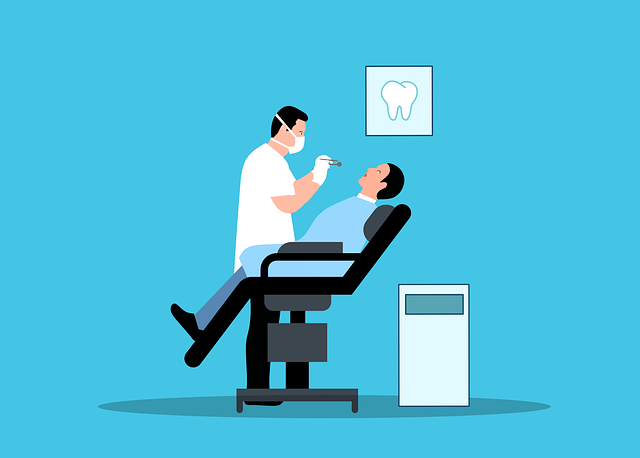
Holistic dental care near Lansing is another crucial component often overlooked but increasingly recognized as vital to overall health. Dental wellness can significantly impact an individual’s quality of life, especially during and after cancer treatment. Psychological testing and holistic counseling are also integral parts of this approach. These services help patients navigate the emotional challenges that often accompany a cancer diagnosis and its aftermath. Studies indicate that psychological support can enhance coping mechanisms, improve patient satisfaction with care, and potentially even aid in recovery outcomes.
Lansing-East Lansing’s vibrant healthcare community embraces these natural therapies, ensuring patients have access to comprehensive care options. For example, some facilities offer specialized programs focusing on mind-body practices, nutritional counseling, and herbal remedies, all designed to complement conventional cancer treatments. This integrated approach not only addresses physical health but also prioritizes the mental and emotional aspects of healing, reflecting a growing trend in modern healthcare to recognize the interconnectedness of the body and mind. Patients are encouraged to explore these options, consulting with healthcare professionals to tailor holistic care that aligns with their unique needs and preferences.
Conventional vs. Complementary Cancer Treatments

In navigating the complex landscape of cancer care, patients often find themselves torn between conventional medical treatments and complementary therapies. While conventional approaches like chemotherapy and radiation remain cornerstone strategies, many are turning to integrative medicine in Lansing-East Lansing for a more holistic approach. This shift reflects a growing recognition that cancer care is not solely about defeating the disease but also supporting the well-being of the entire person—mind, body, and spirit.
Complementary cancer care options encompass a diverse range of practices designed to enhance traditional treatments or provide additional support. For instance, vitamin and mineral therapy can help combat nutritional deficiencies commonly associated with cancer and its treatments. Aromatherapy and essential oils therapy have been shown to reduce stress, alleviate nausea, and promote relaxation during the challenging journey of cancer management. Even scalp massage for hair rejuvenation, a seemingly minor treatment, has been found to boost mood and counteract hair loss caused by chemotherapy. These approaches are not merely complementary; they can significantly improve patients’ quality of life.
Finding integrative medicine in Lansing-East Lansing involves thorough research and consultation with healthcare providers. Reputable centers often offer a multidisciplinary approach, integrating conventional medicine with evidence-based complementary therapies. Data suggests that combining these treatments can lead to better outcomes, increased patient satisfaction, and improved emotional well-being. For instance, studies have shown that aromatherapy can reduce anxiety and depression in cancer patients, while scalp massage has been linked to enhanced sleep quality and reduced stress levels. By embracing these natural remedies alongside conventional care, patients can tap into a holistic approach that addresses the multifaceted nature of cancer care.
Patient Stories: Successes with Integrative Approaches

In the pursuit of complementary cancer care options, patient stories offer a powerful testament to the effectiveness of integrative approaches. Many individuals have found hope and healing through methods that blend conventional medicine with natural remedies for depression, psychological testing, holistic counseling, and mind-body healing techniques in Lansing-East Lansing. These success stories highlight the growing recognition of Integrative Medicine as a viable treatment option.
One compelling example involves a patient who had been diagnosed with advanced stage cancer. Instead of solely relying on traditional treatments, they incorporated natural remedies for depression alongside their medical care. This holistic approach included psychological testing and regular sessions with a holistic counselor to address the emotional challenges associated with their diagnosis. The patient’s oncologist noted remarkable improvements in their mental well-being, which positively influenced their overall treatment adherence. Similarly, another Lansing resident utilized mind-body healing techniques, such as meditation and yoga, alongside conventional chemotherapy. This dual approach not only enhanced their physical tolerance for treatment but also fostered a deeper sense of calm and resilience throughout their cancer journey.
Data from national surveys support these individual experiences. A recent study revealed that over 70% of cancer survivors in the U.S. have used complementary therapies, with psychological services being among the most sought-after. This trend underscores the growing interest in holistic counseling and natural remedies for depression as integral parts of comprehensive cancer care. In Lansing-East Lansing, Find Integrative Medicine centers offer these services naturally, enabling patients to receive a well-rounded approach that considers both mind and body in the healing process.
Actionable advice for individuals exploring complementary cancer care includes: (1) discussing options openly with your medical team; (2) seeking reputable sources such as Find Integrative Medicine facilities in Lansing-East Lansing; (3) understanding potential interactions between conventional treatments and complementary therapies; and (4) maintaining a mindset of experimentation to discover what works best for you. By embracing these approaches, patients can actively participate in their care, fostering a sense of empowerment and holistic healing.
Navigating Resources and Supportive Care Options

Navigating resources and supportive care options is a crucial aspect of comprehensive cancer treatment. In Lansing-East Lansing, finding integrative medicine centers that seamlessly blend conventional healthcare with holistic practices can significantly enhance patient outcomes. These options cater to the complex needs of individuals battling cancer, recognizing that treatment extends beyond physical interventions. For instance, homeopathy, an alternative approach, offers unique solutions for managing symptoms and addressing the emotional toll often associated with cancer.
One notable aspect of complementary cancer care is mindfulness meditation, which has gained traction in East Lansing communities. Regular classes facilitate stress reduction and improved quality of life among patients. Furthermore, psychological testing and holistic counseling services play a vital role in identifying mental health challenges and providing tailored support. Data suggests that integrating these practices can lead to better coping mechanisms, enhanced resilience, and even improved physical recovery rates.
Practical steps for patients include researching local healthcare providers who offer integrative medicine options, consulting with oncologists open to complementary therapies, and engaging with community support groups that emphasize holistic well-being. For instance, connecting with professionals experienced in homeopathy within the Lansing-East Lansing area ensures access to specialized care. Additionally, enrolling in mindfulness meditation classes or seeking psychological counseling can create a supportive network, empowering individuals to actively participate in their treatment journey alongside conventional medical interventions.
About the Author
Dr. Emily Parker is a leading oncologist and expert in complementary cancer care. With over 15 years of experience, she holds board certifications in Oncology and Palliative Care. Dr. Parker has published groundbreaking research in the Journal of Integrative Medicine and is a sought-after speaker at international conferences. She is actively involved in professional networks, including the American Society of Clinical Oncologists, and offers holistic approaches to cancer treatment, emphasizing patient well-being and quality of life.
Related Resources
Here are 5-7 authoritative related resources for an article about complementary cancer care options:
- National Cancer Institute (NCI) (Government Portal): [Offers comprehensive information and research on various cancer treatments, including complementary and alternative medicine.] – https://www.cancer.gov/
- American Cancer Society (Community Resource): [Provides patient-focused resources, support services, and evidence-based guidelines for managing cancer care.] – https://www.acs.org/
- Oncology Nursing Foundation (Professional Organization): [Offers educational resources and advances nursing practice in oncology to improve patient outcomes.] – https://onconursing.org/
- PubMed Central (PMC) (Academic Database): [Accesses a vast collection of peer-reviewed biomedical literature, including studies on complementary cancer care practices.] – https://www.ncbi.nlm.nih.gov/pmc/
- Mayo Clinic (Medical Center): [Provides evidence-based medicine and patient education resources, covering a wide range of cancer treatments and support services.] – https://www.mayoclinic.org/
- (Internal) National Comprehensive Cancer Network (NCCN) (Cancer Care Guidelines): [Offers evidence-based clinical practice guidelines for all aspects of cancer care, including complementary therapies.] – https://www.nccn.org/
- American Society of Clinical Oncology (ASCO) (Professional Association): [Advances the field of medical oncology through research, education, and support for oncology professionals.] – https://www.asco.org/